
The Fundamentals of Balance
Equilibrioception, or your sense of balance, requires a complex interaction between different sensory systems. The three main sensory systems are the vestibular, visual and somatosensory.
The Vestibular System
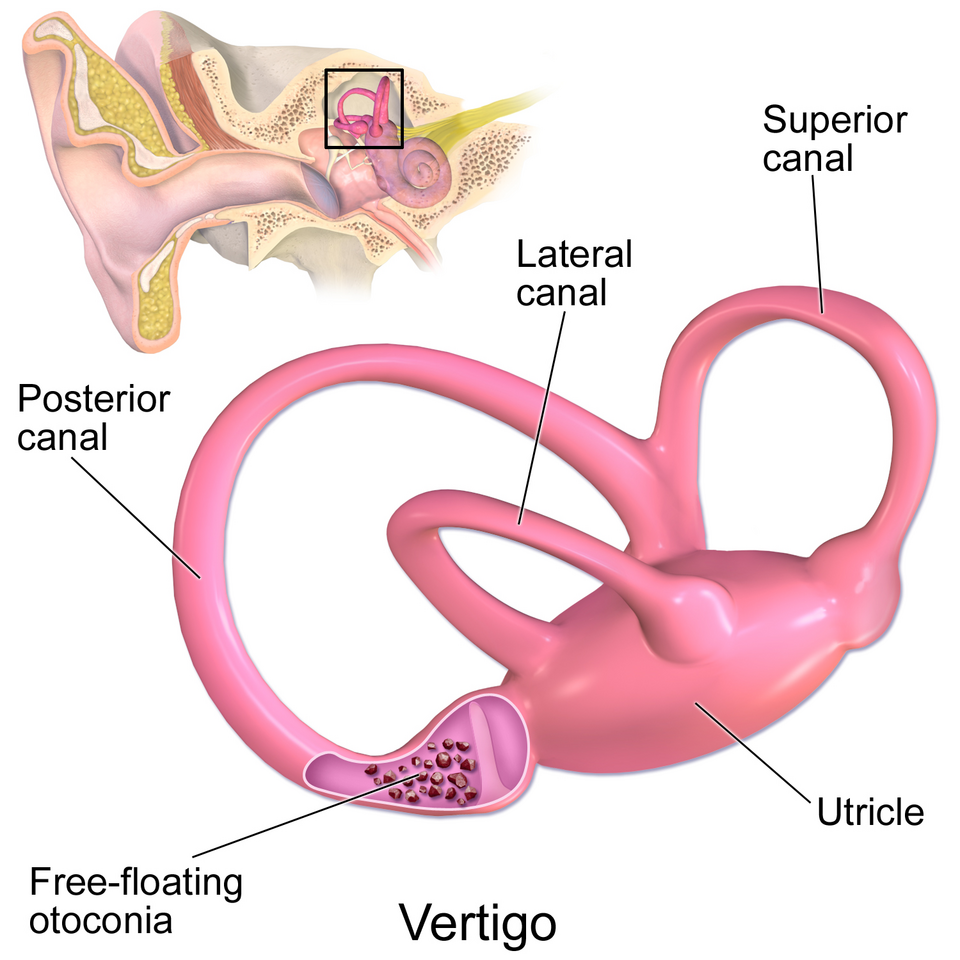
This system is located within the inner ears. It senses the motion of the head, such as turning or forward-backward, side-to-side, and up-and-down.
The Visual System
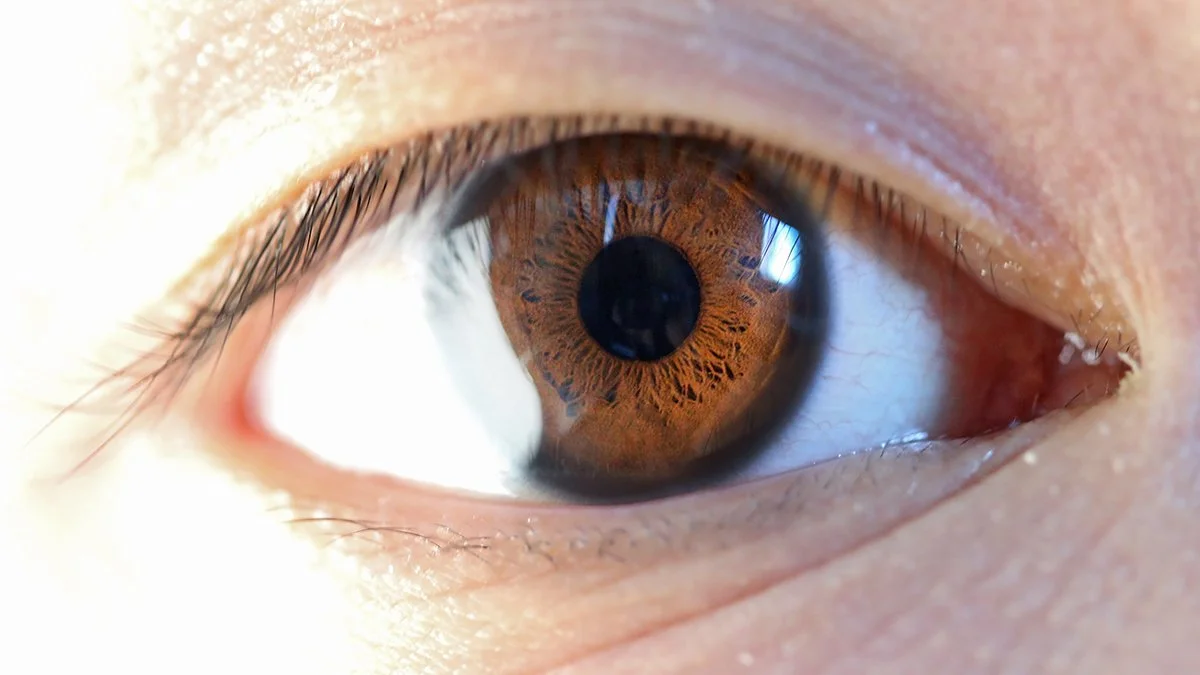
This system is located in the eyes. It monitors where the body is in space (i.e. upside down, right-side up, etc.) and also directions of motion.
The Somatosensory System
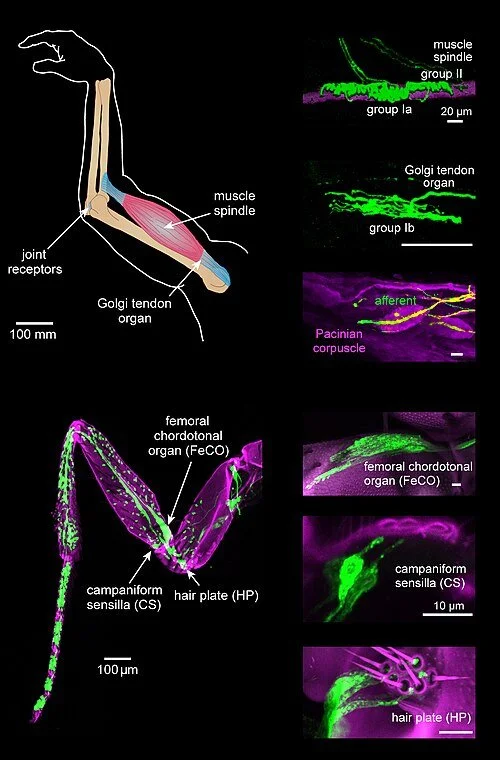
This system is located throughout the skin, muscles and joints of the body. Proprioceptors in the skin sense what parts of the body are touching the ground. Mechanoreceptors in muscles and joints sense what parts of the body are moving.
Central Nerve System
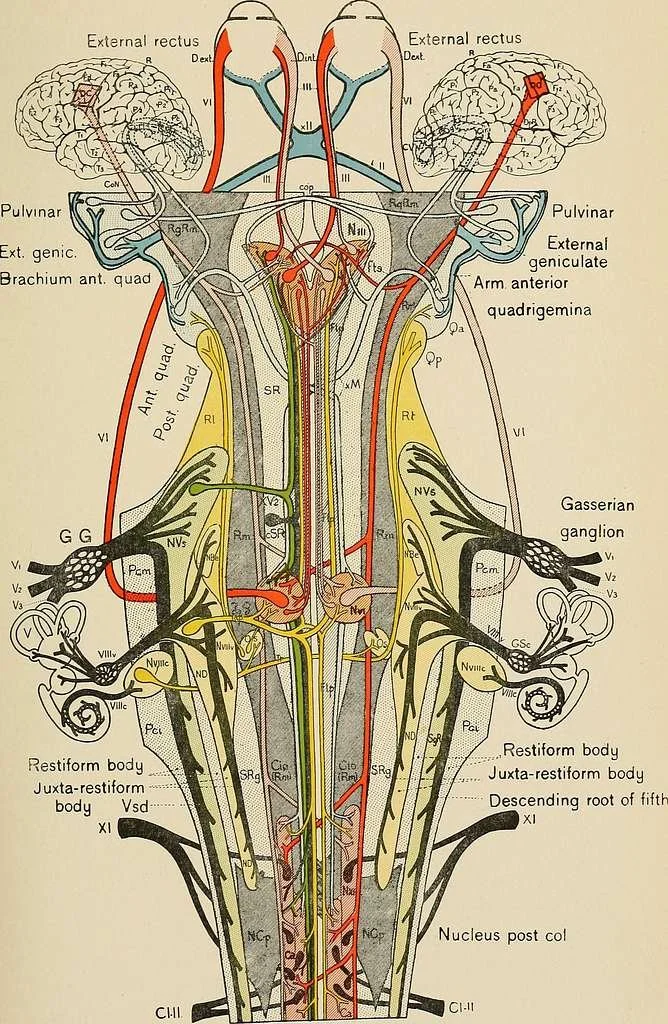
All three systems send their sensory data to the vestibular nuclei. The vestibular nuclei are found on the pons and medulla oblongata sections of the brainstem. From the brainstem, the information is sent to the cerebellum and thalamus. From there, it is sent up to the cortex for interpretation.
Upper Cervical Spine
The upper cervical spine surrounds and protects the upper portion of the spinal cord and the lower section of the brainstem. The upper cervical spine has the highest concentration of mechanoreceptors found anywhere in the body. The mechanoreceptors here directly connect with the vestibular nuclei, the nerve center for the vestibular system.
Interference
The sensory systems can be interfered with. The vestibular, visual and/or somatosensory systems can send “bad information” to the brain and effect how it responds. One potential cause is a vertebral subluxation.
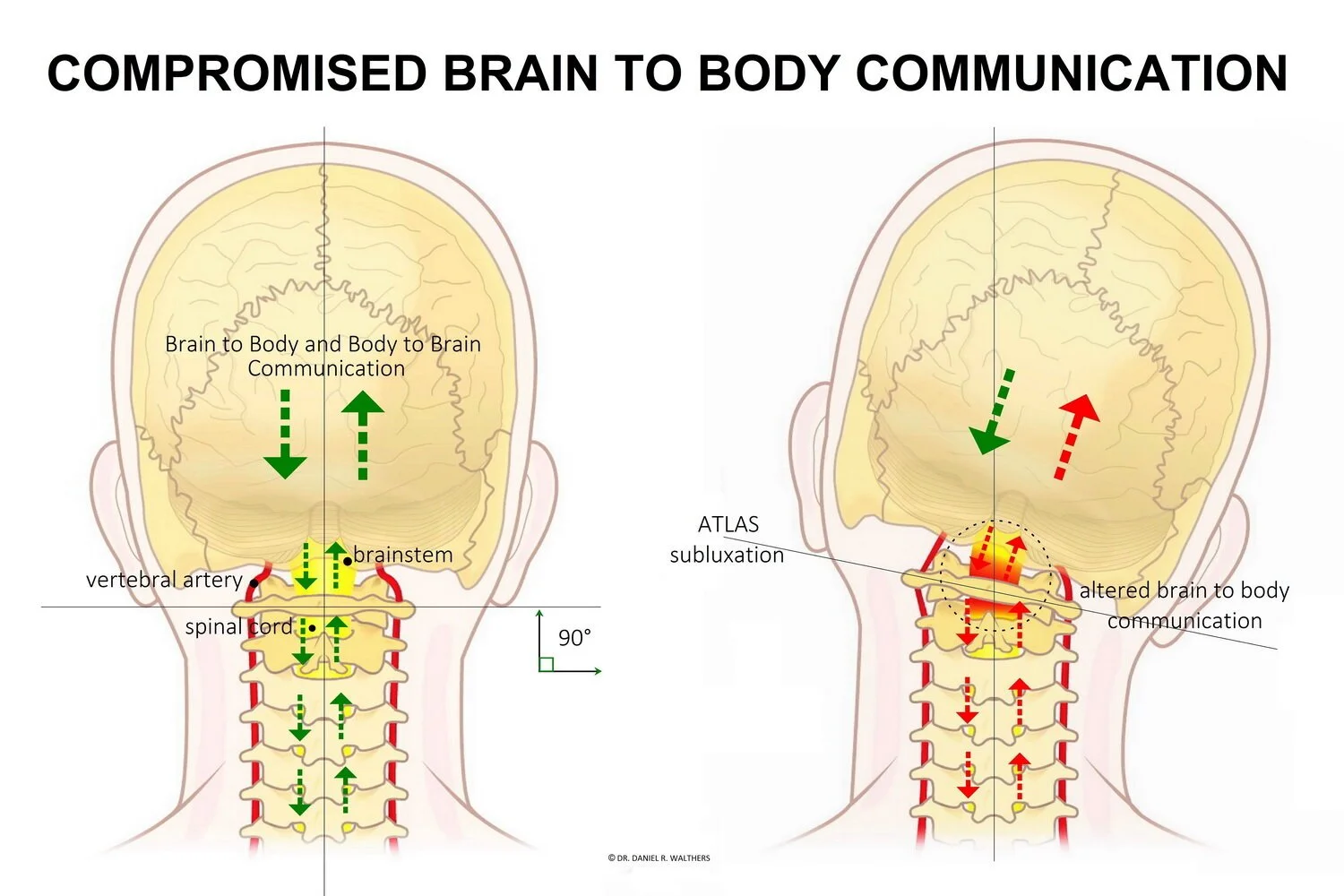
Vertebral Subluxation
When the top bones of the spine misalign to a certain degree, they can interfere with nerve transmission. This disrupts the communication between the brain and body. This can present as vertigo, blurred vision, disequilibrium, heart palpitations, headaches, hyperventilation and ear-ringing to name a few.
Upper Cervical Care
Correcting a vertebral subluxation improves the neurological and biomechanical function of the spine. This allows for better communication between the brain and body. Systems involved in equilibrium can better sense, perceive and behave, which in turn promotes better balance.