Is it OK to Take an Anti-inflammatory Following an Adjustment?
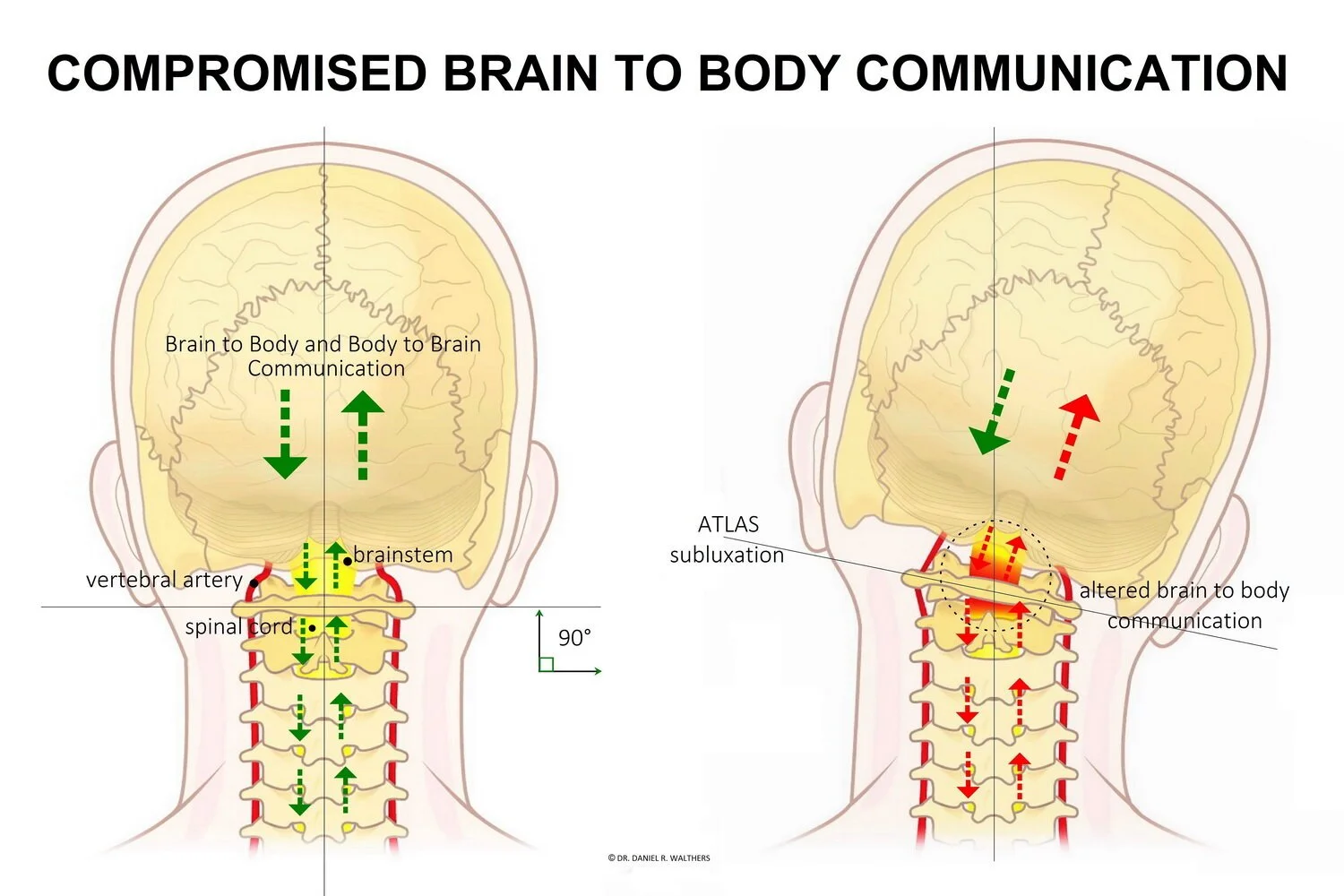
A vertebral subluxation alters spine structure and function. Joints misalign, muscles imbalance and nerve transmission is disrupted. A Chiropractic adjustment aims to correct these aberrations.
Following an adjustment, usually within 24 to 72 hours, muscles can become sore. This frequently happens early in care. In some cases, this muscle soreness can also elicit pain. Whether painful or not, is it OK to take an anti-inflammatory (NSAID) if muscles are sore following an adjustment? Let’s unpack this.
A vertebral subluxation locks the spine in a misaligned position, imbalances muscles and interferes with nerves. Out-of-balance muscles create a weakness in how they move the spine. Some muscles overstretch while others overcontract.
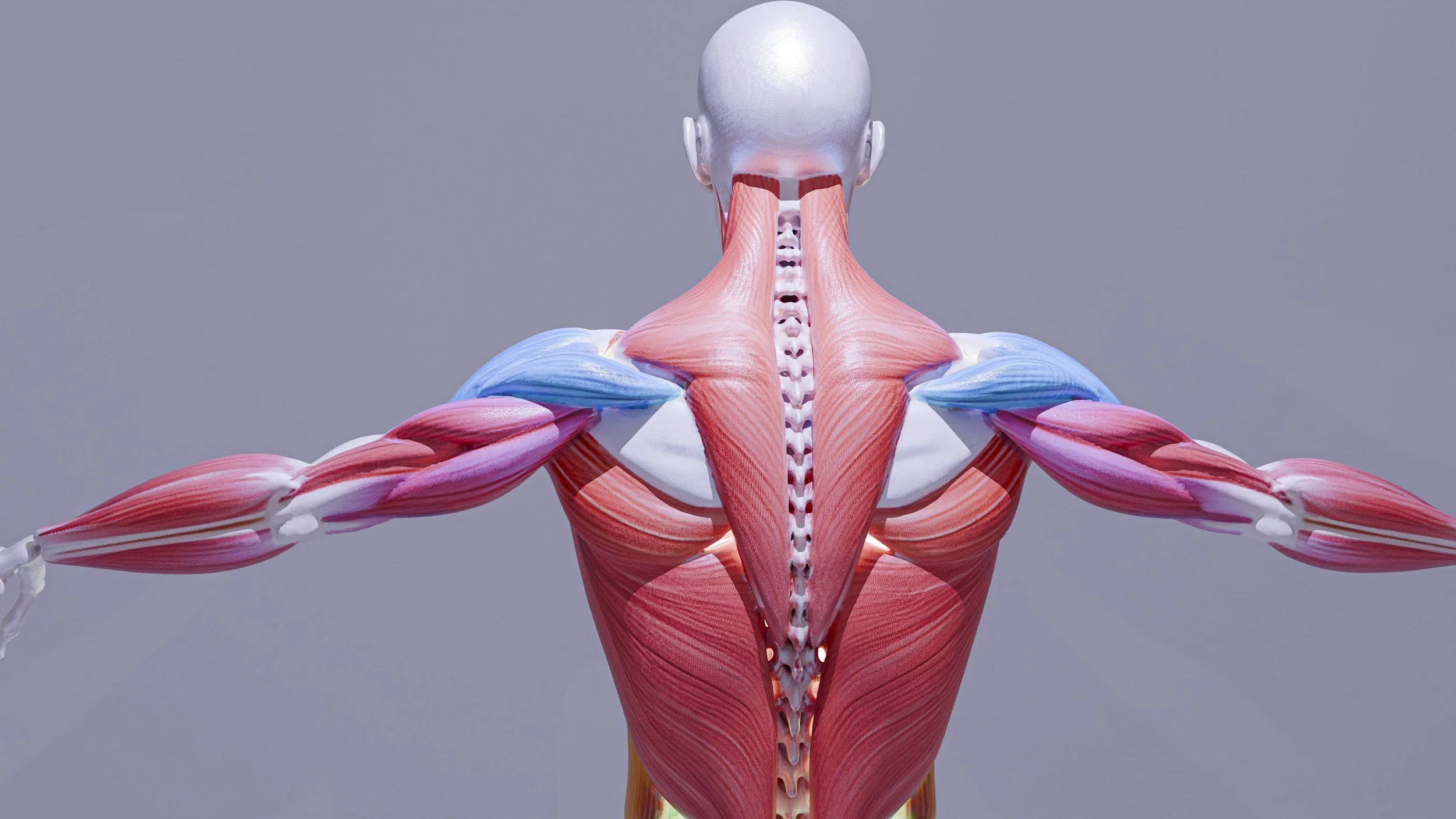
The adjustment helps re-educate the muscles to hold the spine in a healthier position. This resets the imbalanced muscles and they start to work in new, positive ways. This can cause soreness in the muscles. The soreness after an adjustment is similar to what is experienced after performing a new exercise. This is called Delayed Onset Muscle Soreness, or DOMS for short.
When a muscle is stressed in a positive way, it creates small microtears in its fibers. This will trigger a natural, healthy acute inflammatory response to initiate the healing process. Acute inflammation is the body’s normal protective response to stress and is generally a short-term, self-limiting condition. The body adapts to this good stress (called eustress) by repairing the tears. This makes the muscles stronger. The pain felt during this process can act like a guardrail. The body is signaling you to not overly exert the muscle while it heals.
If you take an anti-inflammatory drug such as Ibuprofen, it can reduce the normal production of hormones that signal the inflammatory response. Ibuprofen is in drugs like Advil, Motrin and Midol. This does not heal the muscle tears, but instead numbs the signals to the brain that tells you that you have tears in the first place. As a side note, long-term and/or high-dose use of NSAIDs has been linked to increased risk of fatal heart attack or stroke. It also causes stomach or intestinal bleeding.
The brain can’t fully communicate with the body when the signals are numbed. This communication breakdown prevents the brain from letting the body know when it might be over-doing a movement. This could cause damage to an already stressed tissue or traumatize a healthy working tissue.
Let me use an analogy. Let’s say you sprain your ankle. When you sprain your ankle, normal walking becomes almost impossible to do. Putting a certain weight on it or placing it in a certain position, will send pain signals to your brain. And that is for a good reason. The ankle has been overly stretched and so pain signals fire off to let you know that putting a certain weight or motion into that joint could damage it.
What if you take an Advil? With the pain signals numbed, you begin to put more and more weight and motion into the joint. The pain signals are gone, but the injured tissue remains. And with those pain signals numbed, further damage to the already weakened ankle can happen.
What was thought to help the sprained ankle has now hurt the ankle. It will require your body more time and effort to heal it. Taking an NSAID for muscle soreness after an adjustment is a similar premise.
Whenever possible, we need to listen to and work with our body's functions. A better understanding of our function will result in a greater expression of our function. This will result in a greater expression of health.
- Jarek Esarco, DC, CACCP
Related Blogs:
Other Resources:
Jarek Esarco, DC, CACCP is a pediatric, family wellness and upper cervical specific Chiropractor. He is an active member of the International Chiropractic Pediatric Association (ICPA). Dr. Jarek has postgraduate certification in Pediatric Chiropractic through the ICPA. Dr. Jarek also has postgraduate certification in the HIO Specific Brain Stem technique through The TIC Institute. Dr. Jarek is happily married to his wife Regina. They live in Youngstown, Ohio with their daughter Ruby.